
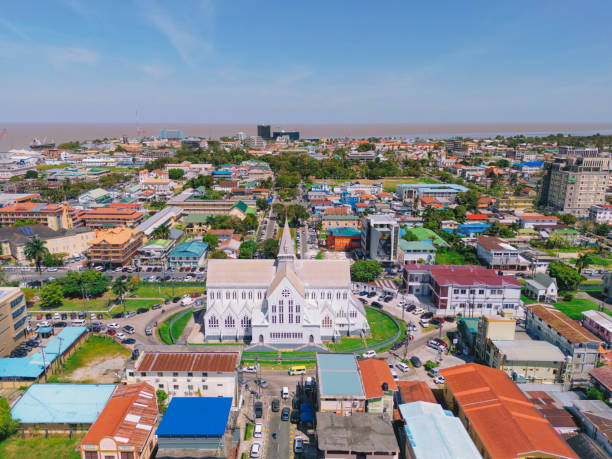
The following is an analysis of the fintech, digital and wider economic development of the South American nation of Guyana.
Few countries have experienced an economic transformation as dramatic as Guyana.
For decades, the South American nation was known primarily for agriculture, gold mining, bauxite and forestry. Economic growth was often modest, public finances were constrained and emigration shaped much of the country’s social and economic landscape.
Then came oil. The discovery of vast offshore petroleum reserves fundamentally changed Guyana’s economic trajectory. Today, the only English-speaking country in South America is one of the world’s fastest-growing economies, with gross domestic product (GDP) expanding at extraordinary rates as offshore production continues to increase. According to the World Bank, Guyana’s economy has grown by double digits in consecutive years, driven largely by oil production while maintaining strong growth in the non-oil economy.
Economic growth of this scale creates new opportunities – but also new responsibilities. As investment flows increase and the private sector expands, the country requires stronger financial infrastructure capable of supporting a rapidly modernising economy. This is where fintech is becoming increasingly relevant.
Unlike many emerging fintech markets where the primary objective is expanding basic financial inclusion, Guyana faces a different challenge. Its financial system must evolve quickly enough to support a more complex economy characterised by international investment, expanding businesses, higher incomes and increasing digital expectations.
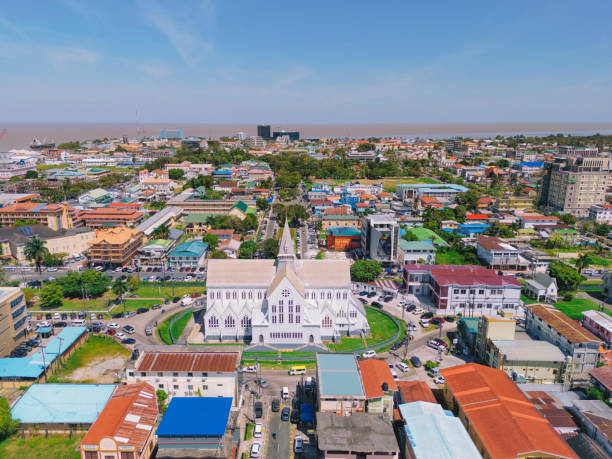
Guyana’s GDP per capita now exceeds $30,000, reflecting the impact of the petroleum sector. Georgetown remains the country’s financial and commercial centre, while key industries include oil and gas, agriculture, mining, forestry, construction, logistics and financial services.
The financial sector is adapting to this new environment. Commercial banks including Republic Bank Guyana, Demerara Bank, Guyana Bank for Trade and Industry and Citizens Bank Guyana have expanded their digital banking capabilities as customer expectations continue to evolve.
Digital banking has become increasingly important not simply because of technological change, but because businesses operating in a rapidly expanding economy require faster, more efficient financial services.
The Bank of Guyana, the country’s central bank, has also recognised the need for payment system modernisation.
The central bank has identified digital payments and financial technology as important components of strengthening the country’s financial infrastructure while supporting broader financial sector development.
Payments remain at the centre of this transformation. As more businesses enter the market, construction activity accelerates and consumer spending increases, efficient payment systems become essential. Digital transactions reduce operational costs, improve transparency and facilitate commerce across the economy.
The opportunity extends beyond banking. Guyana’s growing entrepreneurial sector increasingly requires digital payment acceptance, online financial services and access to modern business finance. Small and medium-sized enterprises, in particular, can benefit from payment technologies that improve cash flow management while creating digital transaction histories that support access to credit.
Oil itself creates indirect fintech opportunities. Large energy projects generate complex supply chains involving contractors, logistics providers, service companies and thousands of workers. Efficient payroll systems, supplier payments, digital procurement and cross-border financial transactions all become increasingly important as the economy expands.
This means fintech is supporting sectors far beyond financial services. International investment provides another dimension.
As Guyana attracts global energy companies and international investors, expectations regarding financial infrastructure continue to rise. Businesses increasingly require payment systems that operate efficiently across borders while meeting international compliance standards.
Cross-border payments therefore become particularly important. The country’s growing trade relationships, expanding exports and international workforce create increasing demand for efficient international payment solutions. Digital finance can help reduce friction in these transactions while supporting broader economic integration.
Financial inclusion nevertheless remains relevant. Although Guyana’s income levels have increased significantly due to oil production, economic growth does not automatically translate into universal financial participation. Rural communities, small businesses and lower-income households continue to benefit from improved access to affordable digital financial services.
The World Bank’s Global Findex Database continues to demonstrate that digital financial services play an important role in expanding meaningful participation within the formal financial system.
Technology adoption is also accelerating. Greater smartphone usage, improved internet connectivity and expanding e-commerce are creating demand for digital wallets, online banking and electronic payments. Consumers increasingly expect financial services to be available wherever and whenever they need them.
Artificial intelligence (AI) is beginning to influence the financial sector as well. Banks globally are deploying AI to improve fraud detection, customer support, compliance and operational efficiency. As Guyana’s financial institutions continue investing in digital transformation, similar technologies are likely to become more widespread.
Cybersecurity will become equally important. As transaction volumes increase and financial services become more digital, maintaining consumer confidence will require continued investment in data protection, operational resilience and fraud prevention.
Challenges remain despite the country’s remarkable economic performance. Rapid growth places pressure on institutions, infrastructure and human capital. Financial regulation must continue evolving alongside innovation, while technology firms may still face constraints related to access to specialist talent and investment.
Economic diversification also remains a long-term priority. Oil has transformed Guyana’s economy, but sustainable development will depend upon ensuring that other sectors – including agriculture, tourism, manufacturing, financial services and technology – continue to grow alongside the energy industry.
Fintech can contribute to that objective. Digital financial infrastructure helps improve productivity across multiple sectors rather than benefiting only financial institutions. Efficient payments, accessible credit and digital business services support entrepreneurship regardless of industry.
Ultimately, Guyana’s fintech story is inseparable from its wider economic transformation. The country is moving from being one of South America’s smaller economies to becoming one of its fastest-growing. That transition requires financial systems capable of supporting greater complexity, higher investment and expanding private-sector activity.
For Guyana, fintech is therefore less about catching up with global technology trends. It is about ensuring that financial infrastructure keeps pace with one of the most remarkable economic transitions taking place anywhere in the world.
If managed well, digital finance will not simply modernise banking – it will help support the next chapter of Guyana’s economic development long after the first barrels of oil have been produced.
The post Guyana’s Fintech Opportunity in 2026 appeared first on The Fintech Times.


