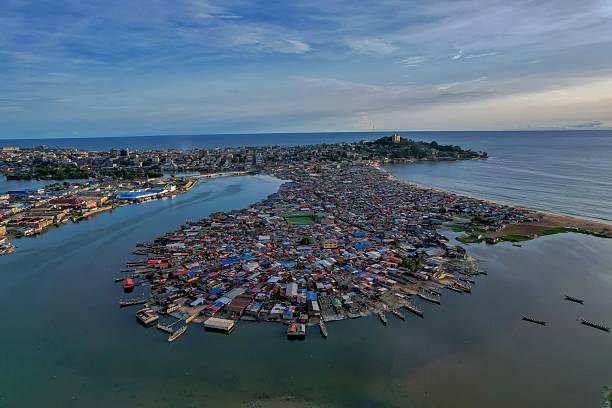
What has been the wider digital and fintech ecosystem like in the West African nation of Liberia in 2026?
In a country where financial infrastructure has historically been limited and cash dominant, the gradual emergence of digital financial services signals a deeper structural shift—one that is beginning to reshape access, inclusion and economic participation.
Liberia’s economy remains relatively small, with gross domestic product (GDP) estimated at approximately $4.8billion, driven largely by natural resources (iron ore, gold and rubber), agriculture, and a services sector that is steadily expanding. Nonetheless, with a GDP per capita of only $800, its low-income status presents many challenges.
Its financial hub and capital of Monrovia is the main activity of financial activity. However, outside the city, disparities and financial exclusion can be seen.
Digital economic transformation: laying the groundwork
Liberia’s digital transformation is still in its formative stages, but momentum has been building, particularly since 2024. The government’s broader economic development strategy increasingly recognises digital infrastructure as a critical enabler of growth, financial inclusion and public service delivery.
Key priorities have included: expanding mobile network coverage and internet access, igitising government services and payments, and supporting innovation ecosystems through partnerships with development institutions
Mobile penetration is estimated at 70-80 per cent, providing a foundation for digital financial services, even as smartphone adoption remains uneven.
Programmes supported by the World Bank and other partners have also focused on building digital capacity and improving financial access for micro and small and medium enterprises (MSMEs) and underserved populations.
In this context, Liberia’s digital transformation is less about leapfrogging and more about building foundational systems that enable participation in the digital economy.
Financial services sector: digital pathways emerging

Liberia’s financial system has traditionally been constrained by limited infrastructure, high costs and low levels of trust. As a result, it has remained heavily cash-based.
However, digital financial services, specifically mobile money, are beginning to reshape the landscape. Platforms such as Orange Money Liberia and Lonestar Cell MTN Mobile Money have expanded access to payments, transfers and basic financial services. This mobile-first model is critical in a country where physical banking infrastructure is limited outside urban areas.
The Central Bank of Liberia (CBL) has been instrumental in guiding this transition, especially in the past few years. Its strategy has evolved from enabling mobile money to building a more integrated digital financial ecosystem.
Key initiatives of the CBL include:
- Modernisation of the national payments system, aimed at improving interoperability between banks and mobile money operators and reducing transaction costs
- Strengthening regulatory frameworks for digital financial services, including licensing and oversight of payment service providers and mobile money operators
- Promotion of electronic payments, including encouraging government agencies to adopt digital payment systems
The CBL has also intensified its focus on financial inclusion strategies, aligning with national development priorities. This includes efforts to expand access to digital financial services in rural areas and among underserved populations.
Last year, the CBL, in collaboration with the Mojaloop Foundation, ThitsaWorks, and The AfricaNenda Foundation, launched the Liberian Inclusive Instant Payments System (IIPS). This real-time interoperable payments platform is designed to digitize the national economy and enhance financial inclusion across the country. This was a reflection of the key points addressed earlier.
Financial inclusion and a small fintech sector
Financial inclusion in Liberia remains relatively low compared to regional peers, but it is improving. Current estimates suggest that approximately 35-40 per cent of adults have access to a formal financial account, with higher levels of engagement through mobile money services, according to the World Bank.
Liberia’s fintech ecosystem is still nascent, reflecting the country’s size and economic structure. Estimates suggest there are fewer than 20–30 fintech and digital financial service providers, with activity concentrated primarily in payments and mobile financial services. This is according to the CBL and the World Bank.
Key players include TipMe, Liberia’s first app-based mobile wallet. International players in the country active in the digital space include: Orange Money Liberia, Lonestar Cell MTN Mobile Money and Ecobank Liberia.
These institutions highlight a key feature of Liberia’s fintech landscape: growth is being driven primarily by telecom operators and banks, rather than a large independent startup ecosystem.
On a final note, this year saw Liberia unveil a new five-year roadmap aimed at accelerating the country’s digital transformation and strengthening national control over critical technology systems. The Ministry of Posts and Telecommunications’ Strategic Plan for 2025–2029, titled Digital Liberia: Equity, Sovereignty and Innovation for a Connected Future, outlines a coordinated push to build local digital capacity and reduce reliance on external infrastructure and platforms.
Liberia’s fintech journey is still in its early stages, but its direction is clear. Digital financial services are steadily expanding access and reducing reliance on cash.
While challenges remain, the country is building the foundations for a more inclusive financial system, demonstrating that even incremental progress can unlock meaningful gains in access, participation and economic resilience over time.
The post The Fintech Ecosystem of West African Nation of Liberia in 2026 appeared first on The Fintech Times.