The region’s investors have moved from saving into investing, helped by a growing choice of platforms and products. Writing after Money20/20 Middle East, one wealth platform founder argues that the market is still underestimating what those investors will need next.

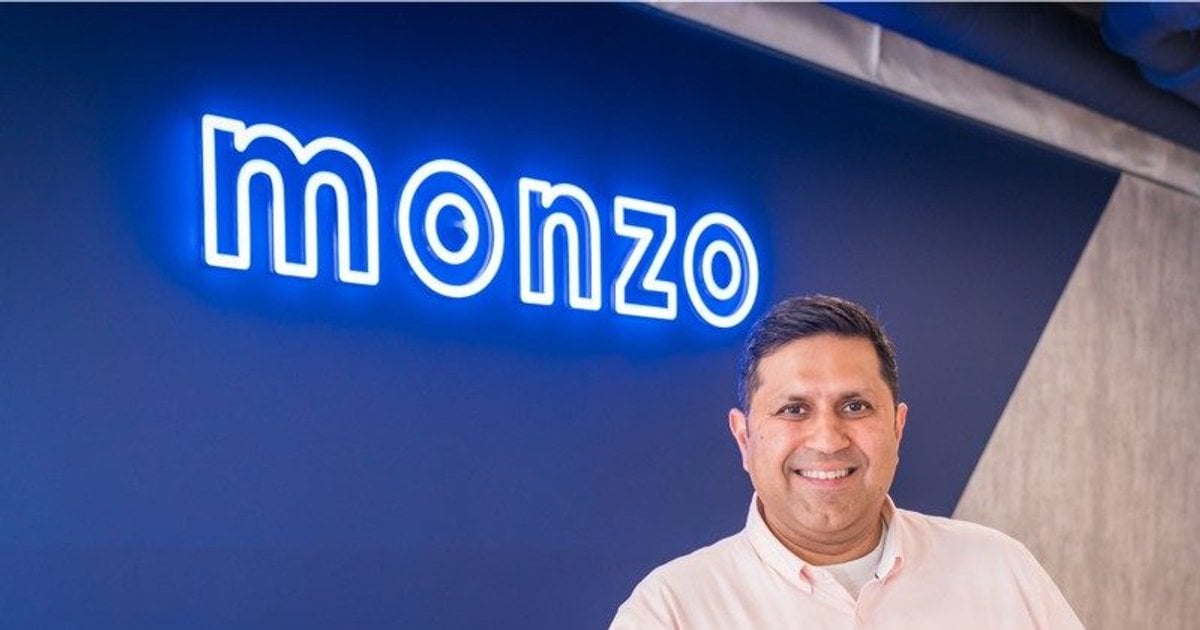
Ziad Mabsout is Co-Founder and CEO of Vennre. In this contributed piece, written after Money20/20 Middle East, he sets out his own view of what the region’s wealth platforms will need to offer once access to investing is no longer the hard part. The views are his own.
This year’s Money20/20 Middle East was a good measure of how far the regional fintech ecosystem continues to develop. The progress companies have made over the past year stood out, as did the number of founders, investors and operators who are still actively building in the market.
One of the main discussions was the shift from saving to investing, and what the next generation of investors will expect from wealth platforms. AI and tokenisation will clearly play a part in that. But in Mabsout’s view, the market is still underestimating something more basic: what has to come after access.
Access changes the questions
Giving people more ways to invest is useful. Once they actually start investing, however, the questions they face are different ones. Are they allocating the right amount? Are they properly diversified? How does one investment fit alongside everything else they already own? And what should the next decision be?
Those questions do not go away because a product is easy to buy. If anything, they become harder to answer as people hold more investments in more places. That, Mabsout argues, is where the regional wealth market is heading.
The next six to 12 months
Over the next six to 12 months, he expects investors to pay much more attention to how their portfolios are actually constructed across different asset classes and platforms.
Many people have already made the move from saving into investing. The next stage is being able to step back and judge whether those individual decisions, taken one at a time, are collectively moving them towards their financial objectives. A set of sensible choices made in isolation does not automatically add up to a sensible portfolio.
What wealth platforms will need to provide
That shift changes what wealth platforms have to offer. Personalisation matters, and so does access to differentiated investment opportunities and to liquidity. But investors also need a clearer view of the portfolio as a whole, rather than of each holding on its own.
Private markets make this particularly important. Technology can make the investment journey easier and more personalised, but it does not remove the need to source and assess opportunities properly, or to decide whether they are suitable for the investor in question. As Mabsout puts it: “You still need both a strong investment engine and a strong technology engine.”
In other words, a slick interface is no substitute for the work of choosing what goes on the shelf, and that work is of limited use if investors cannot see how a new holding fits with what they already have.
Trust is part of the offer
There is a trust element to this as well. As investing becomes more digital and more accessible, the role of a wealth platform cannot simply be to make more products available. Adding choice without helping people use it well risks leaving them with more decisions and less clarity.
The next phase, Mabsout argues, will be about helping investors make sense of the choices in front of them: understanding what they already own, where they may have too much or too little exposure, and what an additional investment would actually contribute to the portfolio.
Platforms that can answer those questions will be doing something different from those that only widen the menu. For an investor, the difference is between being able to buy more and being able to see whether buying more is the right next step.
As he concludes: “Access has been an important first step for the region. The more interesting question now is what investors do with it.”
The post After Money20/20 Middle East, The Question Is What Follows Access appeared first on The Fintech Times.