Float is a card-linked instalment platform. It lets merchants offer shoppers the option to pay in up to 12 interest-free monthly instalments using the credit they already have on their existing credit card. No new loan is issued, there is no new sign-up and there is no app to download.
The company was founded in South Africa in 2021 and now powers instalment offerings across more than 2,200 stores, including Samsung, Diesel, Reebok, The North Face, Trek Bikes and official Apple resellers. It launched in the UK in 2026, its first market outside South Africa.

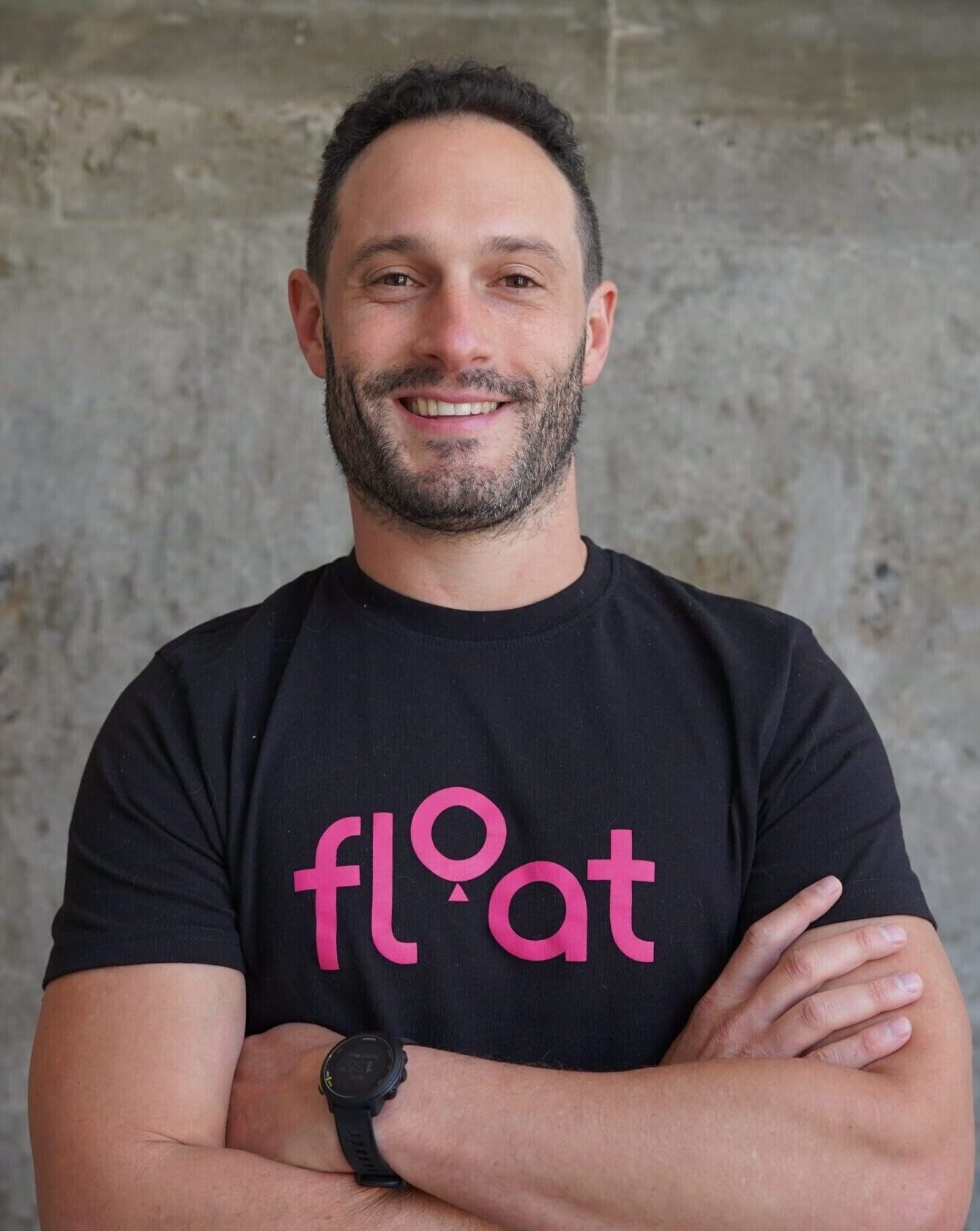
In this Behind the Idea, Alex Forsyth-Thompson, founder and CEO of Float, discusses the gap between credit that is available and credit that is flexible, the first thirty seconds of a merchant conversation, and what it took to move the model into a second market.
1. Tell us more about your company and its offering
Float is merchant-enablement technology for instalment payments. We give merchants the ability to let their shoppers split a purchase into interest-free monthly instalments, using the credit the shopper already has on their existing credit card, rather than issuing them a new line of credit at checkout. It’s the merchant’s own instalment offering, powered by Float.
For shoppers, that means the ability to split a purchase without opening a new account, taking on new debt, or downloading another app, while keeping every protection and benefit their existing card already gives them. For merchants, it means being able to offer real payment flexibility on larger purchases without carrying any of the credit risk themselves.
We work with major retail brands across categories like electronics, sports and homeware, plugging merchants into tens of millions of existing credit cards and hundreds of billions in existing, largely unused credit. We launched in South Africa, and as of mid-2026, in the UK, our first market outside home.
2. What problem was your company set up to solve?
Float was built around a specific mismatch: millions of credit card holders have plenty of available credit, but very little flexibility in how they can use it. In the UK alone, there are more than 55 million credit cards in circulation, carrying upwards of £70bn in interest-incurring balances, alongside roughly £250bn sitting unused. That’s not a population lacking access to credit. It’s a population holding credit that wasn’t designed around how they actually want to repay it.
The BNPL industry, as most people know it, solved a different, adjacent problem: giving shoppers access to a new short-term loan at checkout. We built Float to solve the other half of that equation: enabling merchants to offer their existing credit-card-holding customers more time to repay, rather than giving them a new loan and another app to get through checkout.
These shoppers don’t need more credit. They need more time to pay. And Float-powered card-linked instalments, offered directly by the merchant, give them exactly that.
3. Since launch, how has your company evolved?
We started four years ago in South Africa, building technology that lets merchants offer their shoppers a way to split credit card purchases into interest-free instalments, using credit they already had. Early on, the challenge was proving a genuinely new category to merchants who’d only ever seen instalment payments issue new credit to their customers.
That proof came from scale. Float now powers instalment offerings across more than 2,200 stores in South Africa, including brands like Samsung, Diesel, Reebok, The North Face, Trek Bikes and official Apple resellers. That gave us the confidence, and the evidence, to take the model into a second market.
In mid-2026, we launched in the UK, our first market outside South Africa and a deliberate choice rather than the obvious next one. In the UK, Float operates as merchant-enablement technology: merchants offer Float-powered instalments as their own payment option, giving shoppers the same benefit: more time to pay on credit they already have, at a larger scale. We’re still early, but the model, and the demand, is translating.
4. What has been the biggest challenge or most ‘tricky moment’ to overcome?
The first thirty seconds of a merchant conversation. Checkout finance is a crowded space, merchants get pitched constantly, and the default assumption is that we're one more BNPL provider asking for space on their payment page.
We’re not, and the whole job is landing that distinction quickly. BNPL issues a shopper new credit at checkout. Float uses the credit a shopper already has on their existing card: no new loan, no new sign-up, no app. That structural difference is most prominent in the basket size. Our average order is around £600 and regularly runs into the thousands, territory most BNPL products were never built for.
When a merchant sees what happens to average order value on purchases their existing options couldn’t serve, the conversation quickly shifts to value and ROI, which is a great space to be.
5. What are your biggest achievements or ‘proudest moment’ so far?
Winning Fintech Startup of the Year in 2024 at the South African Startup Awards, and launching in the UK in 2026. If I had to pick one: taking Float from a South African idea to a merchant-powered payment option entering one of the world’s most competitive and mature fintech markets was the proudest moment for the team so far. It’s one thing to build something that works at home; it’s another to prove the model travels to a market with a completely different competitive bar.
Getting there safely and compliantly, while a brand-new UK regulatory framework for short-term consumer instalment credit was taking shape around us, was its own achievement. We’ve also been recognised early in the UK: a finalist for Best eCommerce Payment Solution at the eCommerce Awards London, and shortlisted at the PAY360 Awards, which is a good signal the model is landing with the industry as well as with merchants.
6. How would you describe the culture of your company?
Relentless, resourceful and transparent, even as we’ve grown. Every Friday, someone in the team sends a short update with our numbers for the week, our wins, and a few personal shoutouts, all in the same message. Everyone, regardless of role, sees exactly how the business is doing, good weeks and quiet ones alike. It keeps us tight as we scale.
We move quickly and back each other publicly. When someone closes a difficult deal, ships something new, or joins the team for the first time, the whole company shows up to celebrate it, not just their immediate team. At the same time, we strongly welcome critical, first principles thinking and debate, which means we don’t always have to agree. There’s a genuineness and warmth to it that I don’ think we’ve lost as we’ve expanded.
We also don’t take ourselves too seriously. Alongside GMV numbers and merchant sign-ups, you’ll find memes, rugby and football predictions and baby announcements in the same weekly update. That mix, serious about the business, human about each other, is deliberately how we want it to stay as we keep growing.
7. What’s in store for the future?
Right now, the focus in the UK is straightforward: growing our merchant base and shopper impact off the back of the proof points we built in South Africa. We’re already ahead of where we were at the same stage of our South African journey, which says a lot about how ready this market is for the model.
Beyond the UK, our technology runs on global credit card rails, which makes the model extremely portable to any market with meaningful credit card penetration. We haven’t ruled out expanding further, and our ambition is bigger than any single country: to redefine the way the world pays with credit.
The post Behind the Idea: Float appeared first on The Fintech Times.