Mira Boora is COO and co-founder of Yeeld, which builds processor-agnostic surcharging infrastructure that helps merchants and software platforms recover the cost of card acceptance.

In this In Profile, Mira Boora, COO and co-founder of Yeeld, talks about starting out as a foreign exchange teller, nine years at OFX, meeting her co-founder at Stripe, and why surcharging became the product Yeeld’s clients kept asking for.
Tell us more about your company and its purpose
Yeeld provides processor-agnostic surcharging infrastructure for businesses and software platforms. We help merchants recover the cost of accepting credit cards by adding a compliant surcharge at checkout. Every transaction is checked against card network rules, state regulations and the card type, so the business doesn’t have to work it out itself.
We’ve helped merchants recover millions in card fees, both directly and through some very large platforms that offer surcharging to all of their merchants. We’re also a top Stripe implementation partner, helping companies launch on Payments, Connect, Treasury and Issuing.
Our purpose is simple. Card fees eat into margins, and most businesses don’t have the time or expertise to recover them properly.
What are some of your recent achievements you’d like to highlight?
The achievement I’m most proud of is bringing our surcharging product to market and launching with our first software platform last year. I led much of the product strategy behind it, working closely with our engineering team and partners to build something that could support surcharging at scale. Since then, we’ve helped merchants recover millions in fees, expanded across major software platforms, and become one of the top Stripe implementation partners.
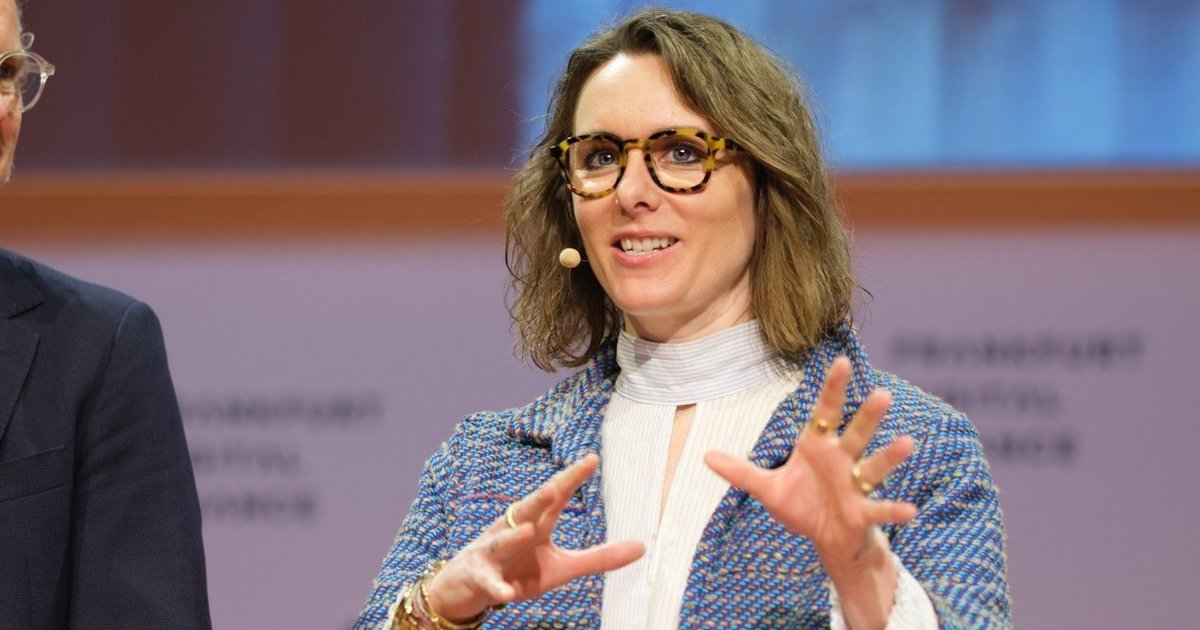
This year I spoke at Stripe Sessions, and I’m a judge for the PayTech Awards USA. I’ve also been invited to speak about surcharging and payments on multiple podcasts over the last year.
On a personal note, I earned my MBA from UCLA Anderson part time while working full time at Stripe and running Bubba Pets on the side. That taught me more about prioritising than anything else ever has.
How did you get into the fintech industry?
My career in fintech actually started when I was 18, working as a teller at Calforex, a foreign exchange company. I continued working there part-time throughout college, and it gave me my first real exposure to the world of payments, from ACH and wire transfers to foreign exchange and international money movement.
After college, I moved back to London and joined OFX, an international money transfer company. I still remember my interview with the managing director. He asked me why I wanted to work there, and I told him, “Because you have an office in San Francisco.” He explained how difficult it would be to transfer there, especially at my level.
Over the next nine years, I worked my way through partnerships and solutions engineering, eventually earning that transfer to San Francisco. Moving there had always been a goal of mine. There’s something special about the energy of the city, particularly when it comes to technology and innovation. I wanted to be surrounded by ambitious people building interesting things, and San Francisco was exactly where I wanted to be.
From there, I joined Stripe as an implementation consultant, where I met my now co-founder. We eventually decided to take the leap and start Yeeld, initially as a payments consulting business, helping companies navigate complex payment integrations and build better payment experiences.
About a year and a half into building the business, we started noticing a recurring theme. More and more of our clients were asking about surcharging and how they could pass credit card processing fees on to their customers. When we explored the market, we realised there were very few solutions that made surcharging both accessible and compliant, particularly for platforms managing payments at scale.
We saw a genuine gap in the market, and because we were already working closely with these businesses, we understood the challenges they were facing. Rather than building a product and hoping people would use it, we were responding to a problem our customers were already asking us to solve.
That’s how Yeeld evolved from a payments consulting business into a company building its own payments technology.
What’s the best thing about working in the fintech industry?
Fintech touches everyone. Pretty much every person and every business uses payments every day. I love the international side of it, and I love that it never stands still. There are so many different parts of it and it’s never boring.
And the people. Over 12 years in payments across North America and Europe, I’ve made so many friends and relationships, and they’re behind some of my proudest moments. Building the technology that powers surcharging on Stripe and working side by side with their team was one. Speaking at Stripe Sessions was another. But honestly, the proudest was going live on our first platform last year.
What frustrates you most about the fintech industry?
How much complexity gets pushed onto merchants. Surcharging rules differ by card network, by state and by card type, and they keep changing. Most small and mid-sized businesses either don’t surcharge because it feels risky, or they do it in a way that isn’t compliant. Neither is a good outcome, and that’s exactly the gap we built Yeeld to address.
How have your previous roles influenced your career?
Looking back, every role was building me up to co-found Yeeld. My early years in foreign exchange showed me I loved numbers, currencies and the technical side of how money moves, and that I wanted to stay in payments. Every business needs payments, and that’s never going away.
At OFX, the partnerships role taught me that relationships are everything. You build partnerships deliberately and keep growing them. The solutions engineering role taught me the technology, and that set me up for Stripe, where I helped startups and growing businesses work through payments strategy, implementation and scale.
While I was at OFX, I also co-founded Bubba Pets, selling dog leashes direct to consumers and on eBay. It taught me fulfilment, sales tax and, most of all, how much merchants lose to fees. If you run a low-margin business, card fees eat straight into your profit.
When we started Yeeld, we needed someone who could build partnerships, go deep on the technical side, knew payments inside out and could earn people’s trust. Every one of those roles had prepared me for exactly that.
What’s the best mistake you’ve ever made?
I turned down UCLA Anderson. I’d been accepted into the MBA programme, but I was living in San Francisco and didn’t want to move to LA, so I wrote back and declined. I didn’t fully appreciate how strong the school was, or that its part-time programme would let me keep working full time.
I was at work telling a friend what I’d just done, and she stared at me in disbelief. She walked me through everything UCLA had to offer, and reminded me that a waitlist at another school isn’t an offer. So I emailed UCLA and asked to accept after all.
It was the best decision I’ve made. My UCLA network is a big part of how I got my job at Stripe, and at Stripe I met my co-founder. If I’d let that first email stand, Yeeld wouldn’t exist. What you know matters, but who you know matters just as much.
What has the future got in store for your company?
In 2027, we’re focused on launching with more of the biggest software platforms and expanding into different types of fees across more jurisdictions. Software companies are realising this is a feature they can offer their merchants, and we want to be the infrastructure behind it, whichever processor they use.
What are the next key talking points or challenges for your industry as a whole?
The US is behind on payments. Compared with the UK, Europe or Australia, moving money here is still slow and clunky. Why am I still sending wires and waiting on ACH? Real-time payments exist, but adoption is slow. I think that has to change, and the businesses that move first will win.
Closer to home, the cost of card acceptance is still a big conversation, and surcharging rules keep changing at the state level. Businesses need tools that keep up with those changes for them.
Mira Boora is COO and co-founder of Yeeld, processor-agnostic surcharging infrastructure for businesses and software platforms, and a leading Stripe implementation partner. She has spent more than 12 years in fintech and payments across North America and Europe, including nine years at OFX in partnerships and solutions engineering before joining Stripe as an implementation consultant. Since co-founding Yeeld in 2022 she has led the company’s product strategy and development, and oversees its commercial and operational functions. She spoke at Stripe Sessions 2026, is a judge for the PayTech Awards USA, and earned her MBA from UCLA Anderson’s part-time programme. British-Canadian and originally from Darlington, she now lives in Seattle.
The post In Profile: Mira Boora, COO and Co-Founder at Yeeld appeared first on The Fintech Times.