Still think iGaming is just online casinos? In reality, it’s one of the fastest-growing digital industries in the world. It brings together sports betting, streaming, mobile platforms, and modern gaming tech. The global online gambling market has already passed $121 billion, and analysts expect that number to almost double by the 2030s. The main reason for the growth is smartphones and fast internet. They made gambling easy to access from almost anywhere.

What Is iGaming?
iGaming includes all gambling and betting activities that work through the internet. And no, it’s not just online casinos. This space also includes sports betting, poker, live casino games, and much more. The biggest iGaming segments right now are:
- online casinos;
- sportsbooks;
- live casinos;
- poker rooms;
- mobile slots.
Ever opened a slot game on your phone or placed a bet on a football match through an app? That’s iGaming. It’s a huge industry that keeps growing fast. In the US alone, iGaming revenue reached nearly $3,04 billion in the first months of 2026. That’s 20,7% more than the year before.
And that’s not all. iGaming completely changed the way people look at gambling. Casinos used to be linked to physical slot machines and gaming halls. Now the main platform is your smartphone, where registration, game selection, payments, and promotions happen in one place. One of the clearest examples is the welcome offer: many platforms use it to introduce new players to slots, live casino games, or sportsbook sections right after sign-up. That is why players can now claim a welcome bonus casino online directly through a mobile site or app, without visiting a physical venue or waiting for manual setup. From the same phone, they can place bets, play casino games, check promotions, and switch between different iGaming formats. Almost 80% of online gambling users now play on mobile devices.
How the iGaming Industry Works
The iGaming industry only looks simple from the player’s side. In reality, there’s a huge tech system behind every casino website. Here’s how it works:
- The operator launches the platform;
- providers add slots and games;
- payment services handle transactions;
- servers process bets;
- streaming systems run live casino games.
For example, one casino can have more than 5,000 slots from different studios at the same time. Large platforms connect dozens of providers through APIs.
Inside the industry, there are two main directions: B2C – working directly with players; B2B – technology for casinos and sportsbooks. B2B companies basically keep the whole industry running. For example, SOFTSWISS builds casino platforms, while Evolution focuses on live casino games and streaming.
RNG – The Technology Online Casinos Can’t Exist Without
RNG, or Random Number Generator, is the system that creates random results in online casinos. It decides which symbols appear in a slot or what number lands in roulette. RNG is basically the heart of every digital casino.
So how does it work? There’s a program, an algorithm, that can generate thousands of numbers every second. The moment a player presses Spin, the system instantly picks a random combination. That’s what decides the game result. A modern slot can have tens of millions of possible combinations. That’s why getting the exact same spin twice is almost impossible.
But there’s an important detail here. RNG only works properly on a powerful server infrastructure. Big casinos process thousands of bets at the same time. If servers slow down, users leave for competitors in seconds. That’s exactly why major operators are now moving to cloud systems and high-load architecture.
Live Casino and Streaming Technology
Live casino has become one of the biggest iGaming trends lately. It feels as close as possible to a real casino. You actually see a live dealer through a video stream and play in real time.
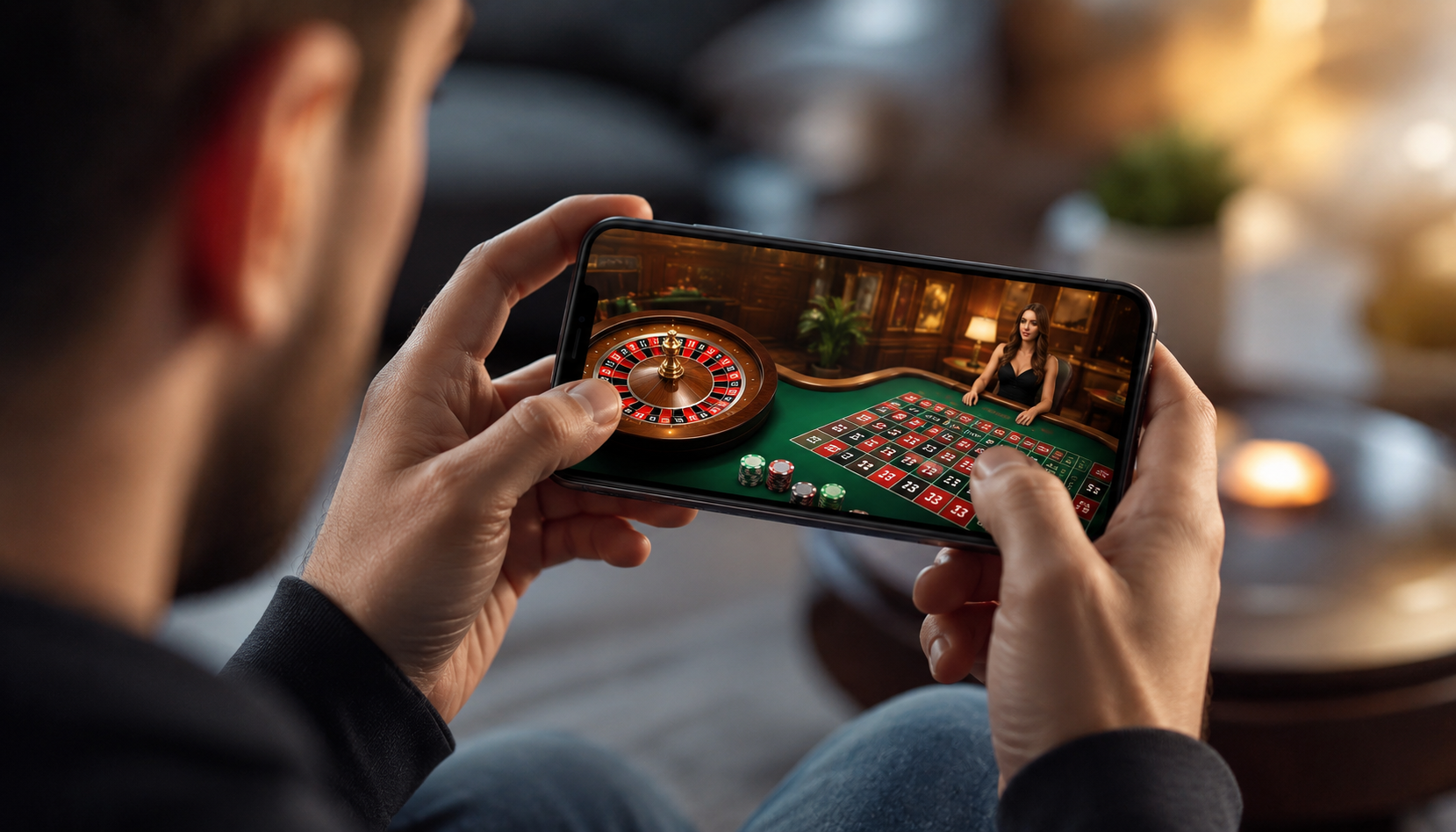
Today, live casino works like a full streaming platform. It uses:
- HD and 4K cameras;
- low-latency streaming;
- synchronized betting systems;
- dedicated broadcast studios.
For example, large live studios can run hundreds of roulette, blackjack, and baccarat tables at the same time.
The key technology here is minimal video delay. If the stream lags even for a few seconds, the game becomes uncomfortable to play. That’s why the development of 5G had such a big impact on live casinos. Mobile internet became faster, and data delays dropped significantly.
Live casino also brings in some of the highest revenue per user right now. In the VIP segment, live games earn more than classic slots.
Mobile iGaming and Modern Technology
Mobile iGaming has basically become the new industry standard. Today, most platforms are built for smartphones first and only then adapted for computers. The reason is simple – people want to play fast and without extra steps. Mobile devices already make up more than 57% of the entire online gambling market.
Modern iGaming platforms also use:
- cloud servers;
- API integrations;
- adaptive streaming;
- cross-platform systems;
- automatic traffic scaling.
For example, during major football matches, sportsbook services can receive hundreds of thousands of bets within minutes. Without cloud technology, that kind of traffic would simply crash the servers.
Technology now affects everything – game speed, stream quality, platform stability, and even whether a user stays in the app. That’s why modern iGaming is no longer just about gambling. It’s now a full-scale tech industry.
The post What is iGaming? Definition, Industry and Most Famous Technology appeared first on The Fintech Times.