
Between 2022 and 2025, an estimated $1.5 trillion in assets moved from traditional wealth management firms to wealthtech competitors, according to Capgemini‘s World Wealth Report. Capgemini’s reading of that figure is not that high-net-worth clients have abandoned human advice. It is that they have stopped assuming one firm can provide all of it.

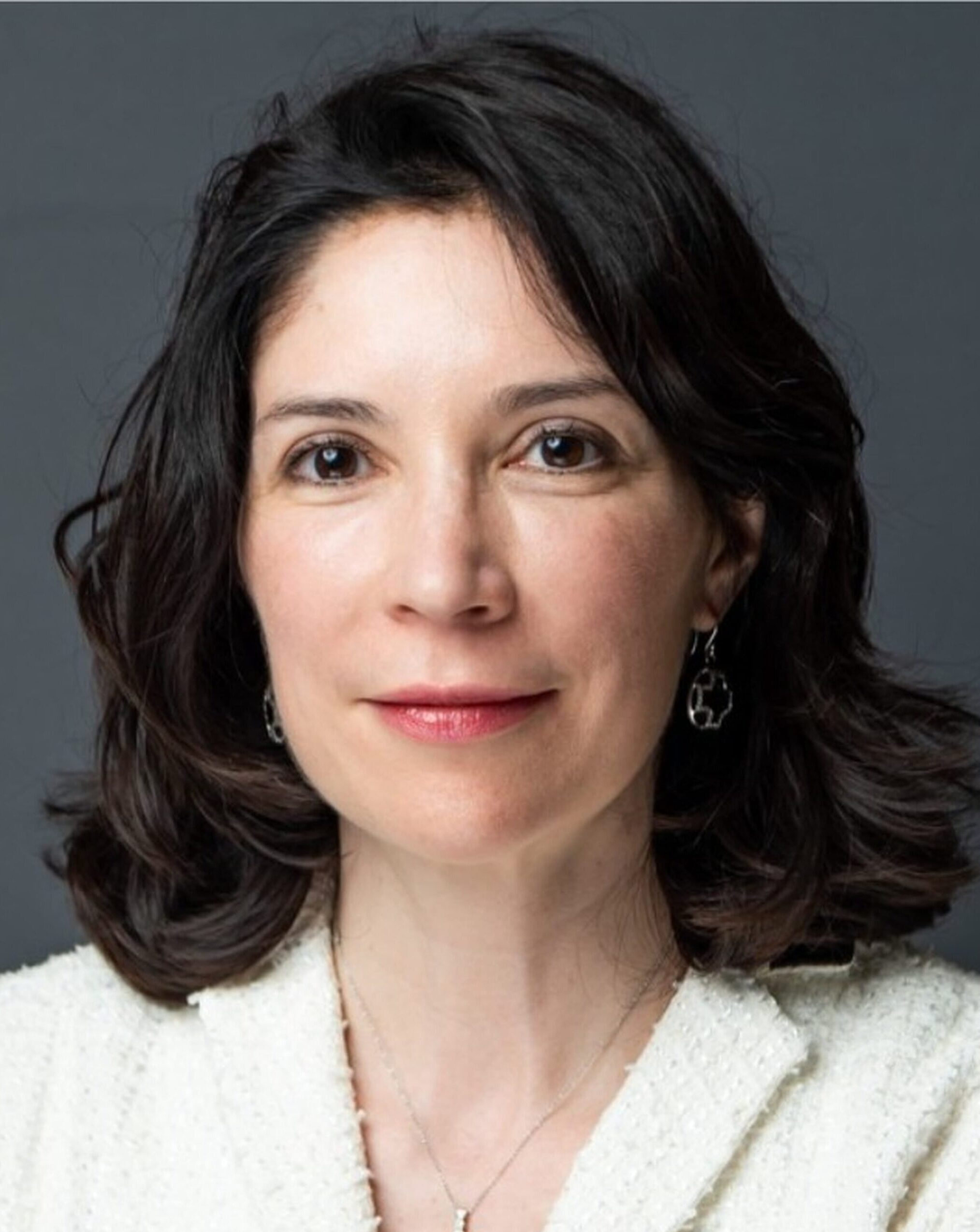
Jeannette Martin is head of wealth and asset management consulting for North America at Capgemini. In written answers to The Fintech Times she sets out where the gap between what clients expect and what advisers deliver comes from, what AI is doing about it today, and why smaller firms are outpacing the incumbents.
Clients who no longer pick one firm
“The USD 1.5 trillion figure reflects the changing dynamic between clients and advisers,” Martin says. “Clients are less committed to working with one firm. With the current amount of choice available in the industry, we found significant growth in high-net-worth (HNW) clients working with 4-6 firms.” Expectations have risen at the same time. “Almost half (47 per cent) of HNWIs now prioritise proactive and personalised communication from their relationship manager.”
Fundamentally, she says, wealthy clients want advice that feels relevant to their individual circumstances, whether that is access to private markets, tax planning or support around major life events, and they increasingly find that no single provider can meet all of those needs.
The result is a client base at ease with several providers. “They are becoming much more comfortable building relationships with multiple providers, choosing different firms for different aspects of their financial lives. That is a significant change for an industry that has traditionally aimed to be a client’s single trusted adviser. Personalisation is a big part of that change because clients are rewarding firms that demonstrate a genuine understanding of their circumstances, priorities and long-term goals.”
The delivery gap
Wealth managers, Martin says, often believe they are providing a highly bespoke service, while clients increasingly expect every interaction to reflect their individual circumstances and goals. “We have found that this disconnect stems primarily from an over-reliance on outdated and static segmentation. An overwhelming 97 per cent of firms still group clients primarily by broad wealth bands, while only 17 per cent of HNWIs describe their experience as seamless and personalised.”
The comparison clients make is not with other wealth managers. “Clients increasingly compare the experience they receive from their wealth manager with the best digital experiences they receive anywhere else, from the likes of Amazon or Netflix. They expect firms to remember their preferences, anticipate their needs and make every interaction feel connected. When 42 per cent of HNWIs say they have to repeat their goals to the same firm, it is a sign that firms are still organised around products rather than individual clients.”
Where AI is working, and where it is not yet
On AI, Martin is specific about where the technology is currently earning its place. “Today, AI’s promise is helping advisers behind the scenes rather than working directly with clients, making him or her more productive and effective,” she says. It is being rolled out to help advisers prepare for meetings, surface relevant information more quickly, automate routine processes such as KYC and reduce the administrative work that takes time away from clients. She is equally clear that the results are not yet measurable. “As wealth managers are still early on this AI journey, we are still waiting to see the real impact of AI in core KPIs, adviser productivity, client retention scores, etc.”
“Where the industry has not yet realised AI’s full potential is in genuine personalisation. Most firms are not dynamically understanding how clients’ circumstances, goals and behaviours evolve over time and linking this to available client data.” In Capgemini’s own work, she says, AI has been used to pull available data to identify life events, highlight emerging needs and link them to client information so that advisers can have more relevant, proactive conversations. “But you do have to lay the groundwork, bringing together client data,
embedding AI into day-to-day workflows and ensuring advisers trust and use the insights it generates.”
Why the incumbents are lagging
Asked whether the incumbents’ lag is a technology problem or an operating-model one, Martin points to both. “Many large firms have invested heavily in digital capabilities, but they are trying to layer them onto organisations that were designed around products and business lines rather than individual clients. They are also burdened by legacy infrastructure and systems that are fragmented and therefore slower to realise the full benefits of these new capabilities.” Smaller firms, she says, have adapted faster by building their proposition around specific needs such as private markets, estate planning or digital-first advice. “Larger
incumbents often have the expertise, and now they are having to do the work to ensure that they show up in a joined-up, personalised way.”
The operating model she describes keeps the adviser at the centre. “The best form of wealth management has always been personal. AI will not replace advisers, it should make them better advisers. Today, relationship managers spend around 41 per cent of their time on operational tasks rather than client engagement.” Automating KYC, meeting briefs, client information and prompts on when to reach out, she argues, “gives advisers more time to build relationships, exercise judgement and understand the context behind financial decisions”.
Trust, robo-advisers and the cost of waiting
The suggestion that wealthy clients remain cautious about automated advice gets a qualified challenge. “This might have been the case a few years ago, but I would argue that is changing as clients become more familiar with AI in their everyday lives. Especially in the mass affluent segment, there is a much greater comfort in using robo-advisers.” Most HNW clients, she notes, use robo-advisers alongside a traditional wealth manager rather than instead of one. “As automated advice becomes more advanced and personalised through AI, it is likely that more money will move to robo-advisers, especially as it is a lower cost option. Traditional wealth managers therefore need to get ahead of this trend and leverage AI to create a more personalised experience.” Trust, she says, is built by “making it clear to clients how AI is being employed and ensuring that advisers are still ultimately responsible for the client relationship and any provided advice”.
For a firm that is behind, her first priority is foundations: “the right data, the right technology tools and the right training for relationship managers to use them effectively”. Advisers need unified, real-time client data alongside AI tools that surface relevant insights and prompt proactive engagement. With that in place, she says, firms can give advisers the skills and confidence to work alongside AI, “paving the way for autonomous portfolio management and firm-wide intelligence systems down the line". The cost of doing nothing is stated plainly: “Those who fail to evolve alongside technology risk losing out on wallet share.”
Looking ahead, Martin expects the winners to be defined by “empathy-led and personalised advisory”. “As products and proactive communication become commoditised, the differentiators will be the ability to make the expertise of their best relationship managers available across the firm, and the ability to equip advisers to understand clients more deeply and connect them with a broader ecosystem of services and experiences beyond financial products.” That, she says, requires a collaborative culture and technology that helps advisers share knowledge and work more effectively across the firm, with “more consistent, personalised advice for clients, while also supporting stronger retention and revenue growth” as the result.
The figures Martin cites are drawn from Capgemini’s World Wealth Report.
The post The $1.5tn Wealth Shift: Capgemini on the Personalisation Gap appeared first on The Fintech Times.
